The 20% Down Payment Was a Rule for a Lending World That No Longer Exists

Photo: young couple saving money for house down payment piggy bank, via thumbs.dreamstime.com
Somewhere in the American imagination lives a magic number: 20. Put 20% down on a house, the thinking goes, and you're a responsible adult. Anything less, and you're either reckless or not ready. The number gets repeated by parents, lenders, and well-meaning coworkers with the confidence of a law of physics.
It isn't one. It never really was. And for a lot of today's buyers, treating it as a hard rule is the more expensive choice.
A Rule Born in a World of Stamps and Paper Files
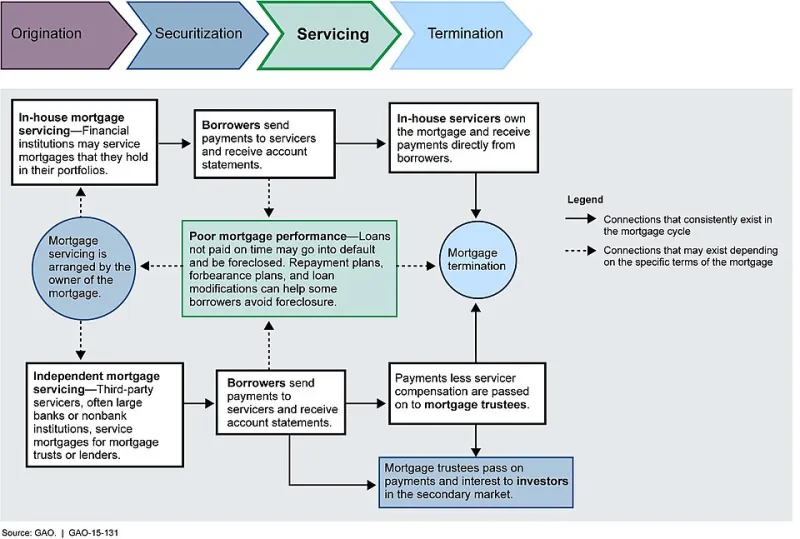
The 20% benchmark has roots in a lending era when underwriting was done by hand and by gut. Before modern mortgage securitization, a large down payment was the lender's primary protection — skin in the game that made borrowers less likely to walk away. Twenty percent became a shorthand for "this person is safe."
The irony is that the modern mortgage system was largely built to defeat that requirement. The FHA, created in 1934, existed precisely so working families could buy homes with far less than 20% down. Fannie Mae, VA loans with zero down, and eventually private mortgage insurance all emerged to spread risk so that the down payment didn't have to do all the protective work alone.
Yet the old benchmark survived as folk wisdom, passed down through generations who bought houses in decades when prices and incomes stood in a very different relationship to each other.
Why the Math Stopped Working
Here's the arithmetic problem nobody likes to say out loud: 20% of a median-priced home is a much bigger hill than it used to be. In many US markets, that figure now runs well into six figures — and it climbs every year a hopeful buyer spends saving.
Which sets up the trap. While you spend five or six years scraping together the difference between 10% and 20%, two things happen: home prices in most American metros tend to rise, and you're paying rent the entire time. The buyer who waits to hit the magic number often watches the target move faster than the savings grow.
Run a simple comparison: a buyer who purchases with 10% down today versus one who waits five years to reach 20% down. The second buyer frequently ends up with a higher purchase price, a higher rate environment or not, and five additional years of rent payments that build zero equity. The first buyer pays PMI in the meantime — and often still comes out ahead.
What PMI Actually Costs (Versus What People Assume)
The fear of private mortgage insurance is the engine behind the 20% myth. PMI is the fee you pay when you put less than 20% down, and it has a reputation for being brutal.
In reality, PMI typically runs between roughly 0.3% and 1.5% of the loan amount per year. On a $350,000 loan, that might be $100 to $300 a month. It's real money. It's also frequently smaller than the monthly gap between today's rent and what waiting five years would cost you — especially once you factor in price appreciation on a more expensive future purchase.
Better yet, PMI isn't forever. It can often be removed once you reach about 20% equity, either through payments or through appreciation. And on some loan types, like certain FHA structures, the insurance works differently — which is why the specifics matter more than the folklore.
Who the Rule Still Serves
To be clear: 20% down is still a good outcome. It means a smaller loan, no PMI, and a lower payment. The problem isn't the number — it's the framing. As a goal, it's fine. As a gate, it fails people.
The rule quietly benefits those who already have family help, high incomes in low-cost regions, or existing home equity to draw on. For first-time buyers in high-cost markets, treating 20% as mandatory often means indefinitely postponing ownership while paying someone else's mortgage in the form of rent.
The Takeaway
The honest version of the advice goes something like this: put down as much as you can without draining your emergency fund, understand exactly what PMI will cost you on your specific loan, and compare that cost against the price of waiting in your actual local market — not an abstract one.
Twenty percent isn't a moral grade. It's a data point from a lending era that ended before most of today's buyers were born. The real story is that the responsible amount depends on your market, your timeline, and your savings — not on a round number that refuses to retire.