What Sellers Mean When They Say 'Good Bones' — And Why It Should Make You Nervous
What Sellers Mean When They Say 'Good Bones' — And Why It Should Make You Nervous
There's a phrase that shows up constantly in real estate listings, open house conversations, and agent walkthroughs. It sounds reassuring, even encouraging. "This place has great bones." Buyers hear it and picture something sturdy, something worth investing in. They imagine potential.
What they often don't realize is that "good bones" is industry shorthand for something much more specific — and much more expensive — than it sounds.
Where the Phrase Comes From
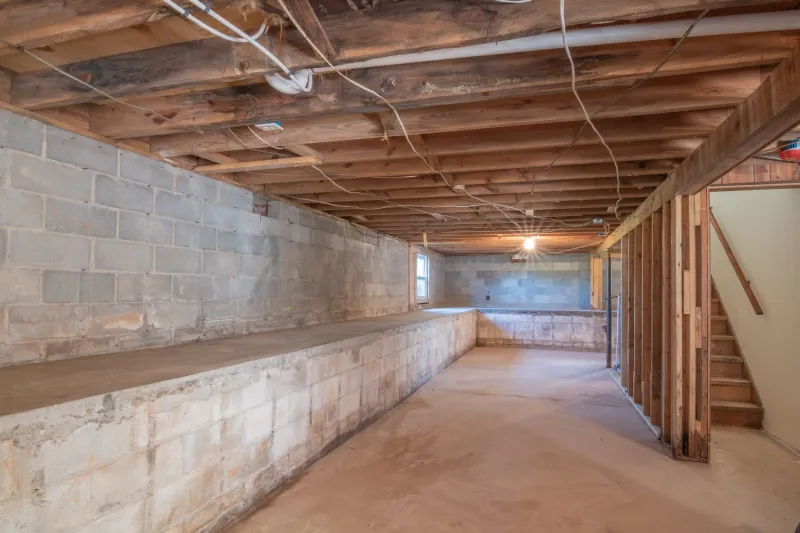
The "bones" metaphor isn't random. It refers to the structural skeleton of a house: the foundation, the framing, the load-bearing walls, the roof structure, and the systems that make a building function — plumbing, electrical, HVAC. These are the things that are genuinely difficult and costly to change. They're also the things that, when they fail, don't just hurt your comfort. They hurt your bank account.
The phrase gained traction in real estate marketing as a way to acknowledge visible problems while redirecting attention toward underlying qualities. It's a verbal pivot. Instead of saying "the kitchen is outdated and the bathrooms haven't been touched since 1987," an agent says "good bones" and lets the buyer's imagination fill in the rest. The implication is that the hard part is already done. The reality is often the opposite.
What 'Good Bones' Is Usually Telling You
When a listing leads with structural quality, it's frequently because there's nothing else to lead with. A house that's genuinely move-in ready doesn't need the reassurance. "Good bones" tends to appear when the surface-level details — the finishes, the fixtures, the condition — can't carry the listing on their own.
In practical terms, a home described this way often has some combination of the following:
- Cosmetic issues so significant they can't be glossed over in the listing copy
- An outdated layout that would require substantial renovation to modernize
- Systems (heating, electrical, plumbing) that are functional but aging
- Deferred maintenance that a seller either can't or won't address before listing
None of that is automatically disqualifying. But it does mean the buyer is being handed a project, whether or not they signed up for one.
The Real Cost of 'Potential'
Here's where buyers get into trouble. When a home is priced to reflect its condition — lower than comparable move-in-ready homes nearby — the gap can look like opportunity. And sometimes it genuinely is. But the math has to actually work.
A rough framework: if a home is priced $50,000 below market because it needs work, and the work costs $70,000, you haven't found a deal. You've found a more expensive version of the house next door, with the added bonus of living through a renovation.
The problem is that most buyers aren't walking into a "good bones" property with a contractor and a detailed estimate. They're walking in on a Sunday afternoon, imagining what it could look like, and falling in love with the layout. The emotional math and the financial math rarely match.
Renovation costs in the US have climbed sharply over the past several years. Labor shortages, supply chain disruptions, and rising material costs have made even modest projects more expensive than most buyers anticipate. A bathroom remodel that felt like a $10,000 job a few years ago can easily run $20,000 or more today. Electrical panel upgrades, foundation repairs, and roof replacements are in a different category altogether — we're talking $15,000 to $50,000 or more depending on the scope.
How to Actually Evaluate Structure
If you're seriously considering a property described as having good bones, the most important thing you can do is separate the marketing from the reality. That means getting a thorough inspection — not just a standard walkthrough, but potentially specialized inspections for the foundation, roof, and any systems that are approaching the end of their lifespan.
A few things worth asking before you make an offer:
When was the roof last replaced? Most roofs have a lifespan of 20 to 30 years depending on materials. If it's near the end, you're inheriting that cost.
What's the electrical panel situation? Older homes sometimes still have outdated systems that aren't just inconvenient — they can be genuine fire hazards and are often flagged by insurers.
Has the foundation been evaluated recently? Cracks in a foundation can range from cosmetic to catastrophic. You need a structural engineer's opinion, not an agent's reassurance.
What does the plumbing look like? Galvanized steel pipes from the mid-20th century corrode from the inside out. You won't see the problem until you have one.
None of this is meant to scare buyers away from older homes or fixer-uppers. Some of the best real estate decisions people make involve exactly these kinds of properties. But the decision has to be informed. "Good bones" is a starting point for a conversation, not a conclusion.
Why the Phrase Keeps Working
The reason "good bones" persists in listings is simple: it works. It reframes a liability as an asset. It appeals to buyers who see themselves as capable, visionary, or savvy enough to see past the surface. And it creates a sense of upside — the feeling that you're getting in on something others might overlook.
That's not manipulation exactly. It's just marketing doing what marketing does. The responsibility is on the buyer to look past the language and into the walls.
The Takeaway
Good bones can be real. Structural quality matters, and a well-built older home can genuinely be a better long-term investment than a cheaply constructed newer one. But the phrase has been stretched so far in real estate marketing that it's lost most of its meaning as a signal. When you hear it, treat it as a prompt to ask harder questions — not as a reason to feel better about what you're looking at.
The bones might be fine. It's everything attached to them that you need to price out before you fall in love.