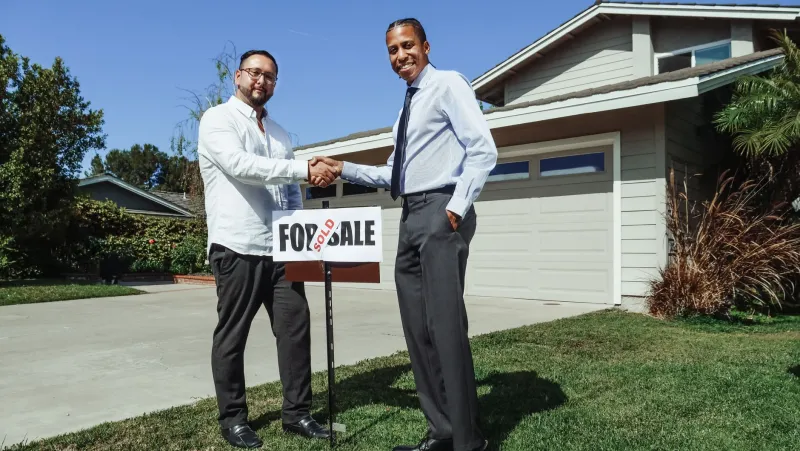
There's Always a 'Perfect Time' to Buy a Home — Conveniently, It's Always Right Now
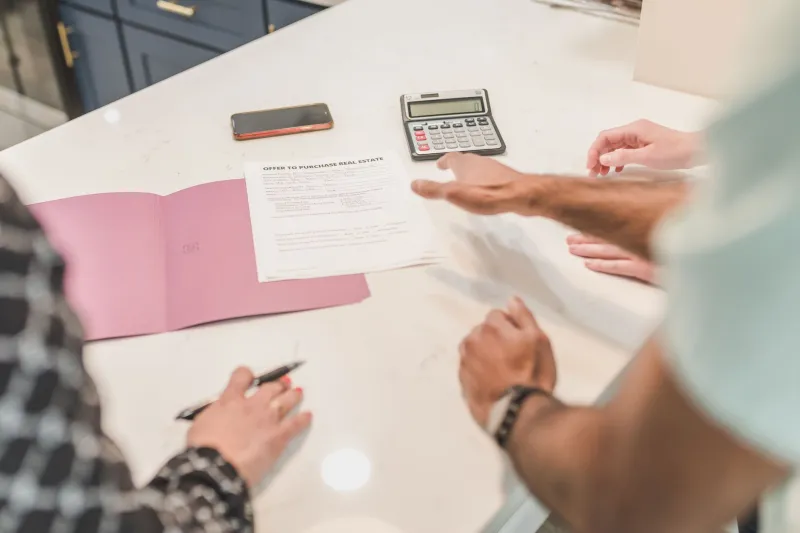
There's Always a 'Perfect Time' to Buy a Home — Conveniently, It's Always Right Now
Somewhere along the way, a phrase got laundered into wisdom: Don't wait to buy real estate — buy real estate and wait. You've probably heard it. Maybe a family member said it at Thanksgiving. Maybe an agent stitched it into a follow-up email. It sounds like the kind of thing a rich uncle with good instincts would say, which is exactly why it works so well.
But here's the thing about that advice: it's not neutral. It never was.
Where the Phrase Actually Came From
The quote is most often attributed to Will Rogers, the American humorist who died in 1935. The problem is there's little evidence Rogers ever said it — and even if he had, he was commenting on a very specific era of American land expansion, not offering a universal investment principle for suburban cul-de-sacs in 2024.
 Photo: Will Rogers, via cdn.amomama.com
The phrase got recycled and polished over the decades, eventually becoming a kind of real estate industry mantra. By the time it showed up on motivational posters in mortgage broker offices, it had been stripped of all context and elevated to something that felt like a law of nature.
Other versions of the same idea followed: Real estate is always a good investment. The best time to buy was yesterday; the second best time is today. Each variation carries the same implicit message — hesitation is the enemy, and action (specifically, the action of purchasing) is always the right move.
The System That Benefits When You Stop Waiting
To understand why this advice persists, it helps to follow the money.
Real estate agents earn commissions when transactions close — not when buyers make smart decisions, and not when they wait. Lenders collect origination fees and years of interest the moment you sign. Sellers, obviously, need someone to buy. Every party in a typical real estate transaction has a financial stake in you moving forward, and none of them get paid if you decide to rent for another year while you watch the market.
This doesn't mean agents are villains or that lenders are running a con. Most people in the industry genuinely believe the advice they give. But belief and incentive can align in ways that are worth noticing. When every professional in a room profits from your purchase, the advice you receive from that room deserves some extra scrutiny.
The "always buy" message also gets amplified by the financial media. Real estate segments on morning shows, personal finance podcasts, and YouTube channels built around property investing all tend to operate from the same baseline assumption: ownership is the goal, and the only question is when and where. Renting is framed as a temporary condition. Waiting is framed as a missed opportunity. The possibility that buying at a particular moment might actually be the wrong financial move rarely gets equal airtime.
What the Data Says About Timing
Here's where it gets complicated. Real estate markets are local, cyclical, and genuinely hard to time with precision — which is one reason the "just buy" advice has some surface-level logic to it. Trying to perfectly time a real estate purchase the way a trader times a stock is probably a fool's errand.
But that's different from saying timing doesn't matter at all.
People who bought homes in 2006 at peak bubble prices in markets like Phoenix, Las Vegas, or the Florida coasts spent years underwater. Some never recovered their equity before they had to sell. The advice to "buy real estate and wait" assumed they could wait long enough — but job losses, divorces, health crises, and life don't care about your investment horizon.
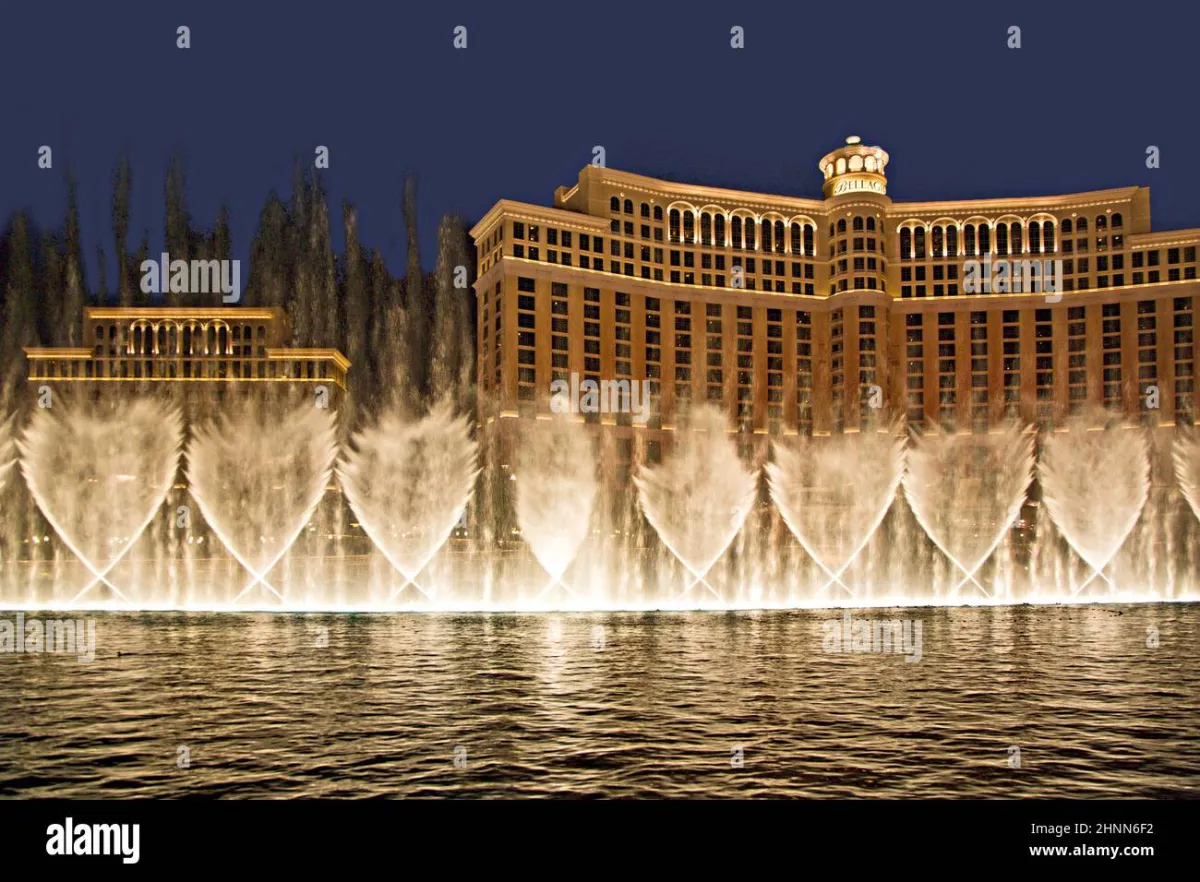 Photo: Las Vegas, via c8.alamy.com
Similarly, buyers who stretched into adjustable-rate mortgages during low-rate environments, assured that real estate "always goes up," discovered that always is a word that doesn't survive contact with reality.
The nuanced truth is that timing matters more in some markets and less in others, more at some life stages and less at others, and more depending on the specific terms of your financing. "Just buy" flattens all of that into a bumper sticker.
Why the Myth Is So Sticky
Part of what makes this advice so durable is that it's been right often enough to feel reliable. American real estate has, over long periods and in many markets, appreciated. People who bought in the 1980s and held through recessions generally did fine. That track record gives the "always buy" camp a lot of real-world ammunition.
Confirmation bias does the rest. The people who bought at the wrong time and struggled tend not to become the spokespeople for real estate investment. The people who bought, held, and profited write the books, give the TED Talks, and get quoted in newspaper profiles about building generational wealth.
The failures are quieter. They don't have a catchy phrase.
What to Do With This
None of this means you should never buy a home or that homeownership is a bad idea. For many people, in the right circumstances, it's genuinely one of the better financial decisions they'll make.
But the decision should come from your numbers, your timeline, your job stability, and the specific conditions of your local market — not from a phrase that got polished into a proverb by an industry that profits from your confidence.
When someone tells you there's never a bad time to buy real estate, ask them who benefits most from you believing that. The answer will tell you more than the advice ever could.