Everyone Says Real Estate Is a Great Investment — Until You See the Spreadsheet
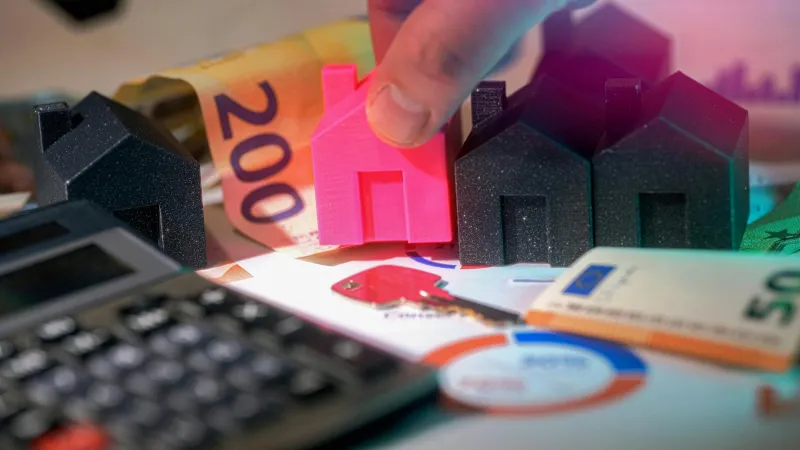
Every family gathering has that uncle who bought his house for $80,000 in 1995 and loves reminding everyone it's worth $400,000 today. "Best investment I ever made," he'll say, and everyone nods along because the math seems obvious. House goes up, wallet gets fatter, case closed.
But Uncle Bob's victory lap is missing about half the story.
The Hidden Math Behind the Headlines
That $320,000 gain sounds impressive until you start adding up everything Uncle Bob conveniently forgot. Over 28 years, he's probably spent $150,000 on maintenance, repairs, and improvements. Property taxes in his area have likely consumed another $100,000. Insurance, utilities, and HOA fees add tens of thousands more.
Suddenly, that $400,000 house cost closer to $330,000 when you account for the purchase price plus carrying costs. His actual gain? Maybe $70,000 over nearly three decades.
Meanwhile, if Bob had invested that same $80,000 in a basic S&P 500 index fund in 1995 and added the equivalent of his monthly housing expenses to the account, he'd be sitting on something closer to $800,000 today.
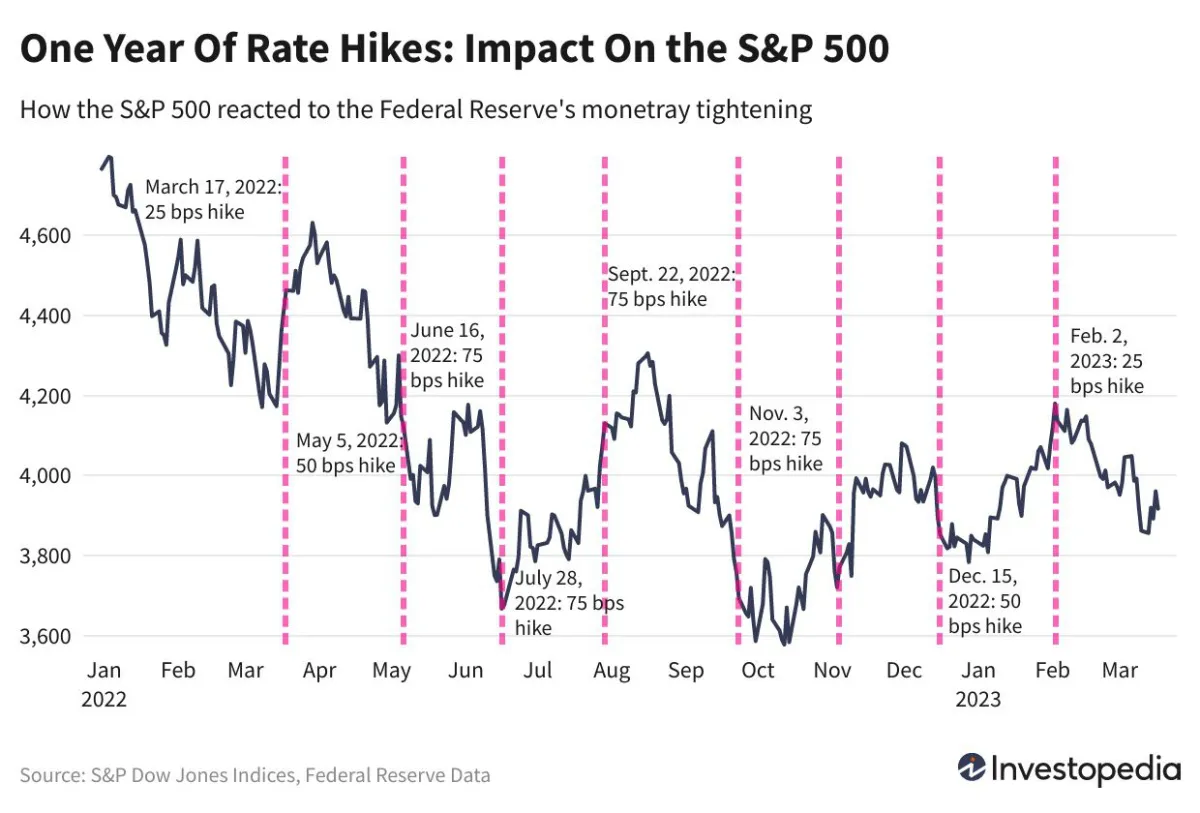 Photo: S&P 500, via www.investopedia.com
The Costs That Don't Make the Cocktail Party Stories
Real estate's hidden expenses are like subscription services — individually small but collectively devastating to returns. The National Association of Realtors estimates that homeowners spend 1-3% of their home's value annually on maintenance alone. On a $400,000 house, that's $4,000-$12,000 per year just to keep things from falling apart.
Property taxes vary wildly by location, but the national average hovers around 1.1% of assessed value annually. Insurance adds another 0.5-1%. These aren't one-time costs — they compound year after year, eating into any appreciation gains.
Then there's the opportunity cost that never gets mentioned. Every dollar tied up in housing equity is a dollar that can't be invested elsewhere. While your house appreciates at maybe 3-4% annually (the long-term historical average), that same money in diversified investments has historically returned 7-10%.
Transaction Costs: The Wealth Killer Nobody Talks About
Buying and selling real estate is expensive in ways that don't apply to other investments. Real estate commissions typically run 5-6% of the sale price. On that $400,000 house, Uncle Bob will pay $20,000-$24,000 just to sell.
Add closing costs, title insurance, inspections, and moving expenses, and you're looking at another $10,000-$15,000 in transaction fees. These costs don't exist when you sell stocks or bonds — there, you might pay $10 in trading fees.
For real estate to break even with other investments, it needs to outperform by enough to cover these transaction costs. That's a tall order when the underlying appreciation rate is already modest.
Why the Myth Persists
The "real estate is the best investment" story survives because it feels emotionally satisfying in ways that stock portfolios don't. You can walk through your investment, paint it, and invite friends over for dinner inside it. The psychological ownership creates an attachment that makes people want to believe in exceptional returns.
Plus, most homeowners use leverage without thinking about it. When you put 20% down on a house, you're essentially borrowing money to amplify your bet. If the house appreciates 20% over five years, you've doubled your down payment — but you've also been paying interest on a mortgage that entire time.
Leverage works both ways. If the house loses value or the market stagnates, those borrowed dollars turn into a burden rather than a boost.
The Real Estate Reality Check
None of this means buying a house is automatically a bad decision. Real estate provides stability, predictable monthly costs (with a fixed-rate mortgage), and protection against inflation. For many people, the forced savings aspect of mortgage payments creates wealth they might not accumulate otherwise.
But the idea that real estate consistently outperforms other investments? The numbers don't support it. According to research by economist Robert Shiller, housing has barely outpaced inflation over the long term. The periods of dramatic appreciation — like the 2000s bubble or the post-2012 recovery — are exceptions, not the rule.
 Photo: Robert Shiller, via pic7.iqiyipic.com
What This Means for Your Decision
If you're buying a house primarily as an investment vehicle, you might want to reconsider. The combination of high transaction costs, ongoing expenses, and modest appreciation makes real estate a mediocre wealth-building strategy compared to simpler alternatives.
Buy a house because you want stability, control over your living space, or predictable monthly payments. Buy because you plan to stay put long enough to justify the transaction costs. Buy because you value the intangible benefits that come with ownership.
Just don't buy because someone told you it's guaranteed to make you rich. Uncle Bob's success story is real, but it's also incomplete — and the missing pieces change everything about the math.