That 'Original Charm' Listing Description Is Really Just a Warning You're Not Reading Correctly
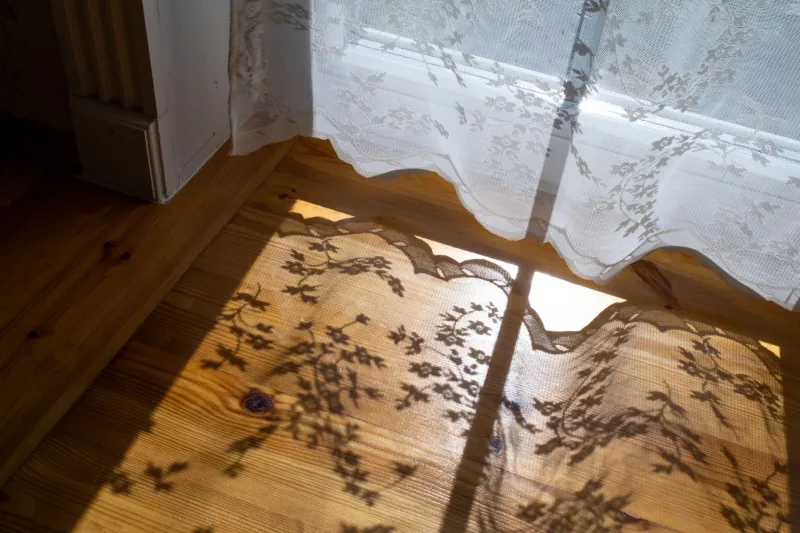
There's a particular kind of real estate listing that gets people excited in a way that a freshly renovated condo never quite does. It mentions things like "original hardwood floors," "vintage tile," "built in the 1920s," and "full of character." The photos show crown molding, claw-foot tubs, and window trim that people just don't make anymore. It feels like history. It feels special.
It also, very often, feels expensive — once the inspection report comes back.
The language of "charm" and "character" in real estate isn't just marketing fluff. It's a specific vocabulary that has evolved to make deferred maintenance sound like a selling point. And for buyers who haven't learned to translate it, those poetic descriptions can lead straight into a money pit.
What Agents Actually Mean When They Say 'Character'
Real estate listings aren't written to inform — they're written to attract. That's not cynical, it's just accurate. The goal of listing copy is to get a buyer emotionally invested before they've set foot in the property. And few things generate emotional investment faster than nostalgia.
Terms like "original details" and "old-world craftsmanship" tap directly into that nostalgia. They suggest that the home has been preserved, cared for, kept intact. What they often actually mean is that nothing has been replaced. Not the plumbing. Not the electrical panel. Not the windows. Not the roof.
Here's a rough translation guide:
- "Original hardwood floors" — Floors that may be beautiful but could also be soft in spots, unevenly worn, or sitting on a subfloor that hasn't been looked at in 60 years.
- "Vintage kitchen" — Appliances and cabinets from a previous decade, possibly two or three decades back, with layouts that don't meet modern code and wiring that may not support a modern appliance load.
- "Built in the 1920s (or 1940s, or 1950s)" — Structural systems — plumbing, electrical, foundation — installed under building codes that bear almost no resemblance to current standards.
- "Full of character" — The house is quirky in ways that are sometimes charming and sometimes load-bearing problems.
- "Lovingly maintained" — The owners cleaned it regularly. That's different from updating it.
Why the Nostalgia Works So Well
Buyers aren't naive. Most people walking into a 100-year-old home understand, at some level, that old things eventually need replacing. The problem is that charm is experienced emotionally and repair costs are processed logically — and those two things don't happen at the same time.
When you're standing in a kitchen with original subway tile and a farmhouse sink, you're not running calculations on what it would cost to replace knob-and-tube wiring. You're imagining Sunday mornings. Real estate agents — good ones, anyway — know this, and listing descriptions are engineered to prime that emotional state before you ever walk through the door.
The other factor is that older homes often genuinely do have features that newer construction lacks. The bones can be solid. The craftsmanship in millwork and trim from the early 20th century really is harder to replicate cheaply today. The rooms really are bigger in many pre-war homes. The "charm" isn't entirely invented. But it gets bundled together with deferred maintenance in a way that makes it hard to price out what you're actually buying.
The Seller's Incentive to Keep You in the Story
Sellers and their agents aren't necessarily being dishonest when they lean into charm language. They're doing what the market rewards. A listing that says "original 1940s electrical panel, galvanized pipes throughout, single-pane windows, and aging roof" would be accurate — and would immediately shift a buyer's frame from romantic to transactional.
Keeping buyers in the romantic frame longer benefits the seller. It keeps the offer price higher. It keeps the inspection period feeling like a formality rather than an investigation. And it means that by the time a buyer finds out what they're actually dealing with, they're already emotionally committed to the house.
This isn't unique to older homes, but older homes give sellers the most material to work with. A house built in 2015 doesn't have "vintage charm." It just has an aging HVAC unit. There's no nostalgia to deploy.
What to Actually Do With This Information
None of this means you shouldn't buy an older home. Plenty of older homes are genuinely well-maintained, structurally sound, and worth every dollar of their price. The issue isn't the homes themselves — it's walking into the purchase without understanding that charm and condition are two separate things that don't always travel together.
A few practical realities worth keeping in mind:
Get a thorough inspection from someone you hired yourself. Not someone the seller recommended, not someone your agent uses regularly. Find an inspector who will give you a detailed report, not a reassuring one.
Price out the deferred maintenance separately from the purchase price. If the house needs a new roof, updated electrical, and new plumbing within five years, those costs belong in your total acquisition math — not in a vague mental footnote.
Ask specifically about systems, not aesthetics. The hardwood floors are gorgeous. When was the roof last replaced? What's the age of the water heater? Has the electrical panel been updated? When were the pipes last inspected?
Understand what you're paying a premium for. In many markets, homes described as having "character" and "charm" command higher prices than comparable updated homes. You may be paying extra for the story of the house, not its actual condition.
The Real Story
Older homes can be wonderful. They can also be expensive, complicated, and full of surprises that no amount of original tile makes worth it. The real story behind all that charm-forward listing language is simple: someone decided, at some point, not to update the house. That decision has a cost. The listing description just makes sure you don't think about it until after you've fallen in love.
Read the listing. Enjoy the photos. Then put the nostalgia aside and get a really good inspector.