The American Suburb You're Dreaming of Disappeared Around the Time Friends Went Off the Air
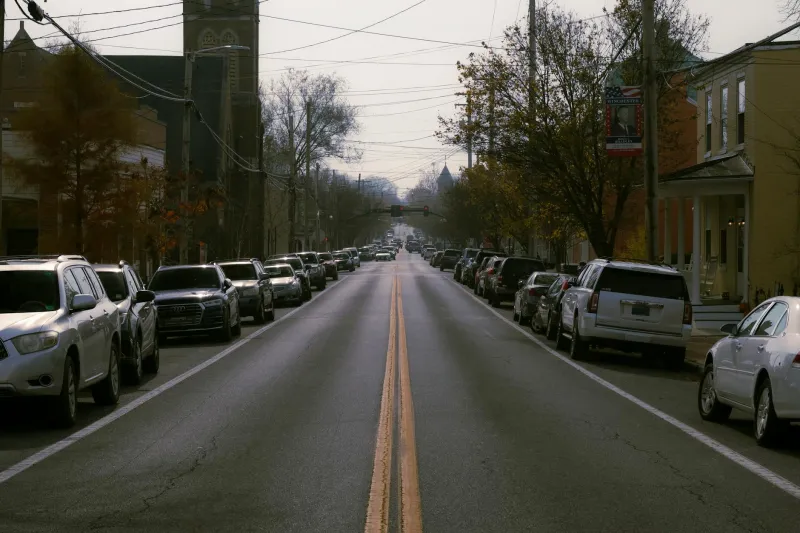
The American Suburb You're Dreaming of Disappeared Around the Time Friends Went Off the Air
Close your eyes and picture "suburban America." You're probably seeing tree-lined streets with modest two-story homes, kids riding bikes in quiet cul-de-sacs, maybe a mom in a minivan heading to soccer practice. The commute to downtown takes 25 minutes on uncrowded highways. The local elementary school has small class sizes and involved parents. Property taxes are reasonable because services are efficient.
This image feels timeless and achievable — the natural progression from city apartment to suburban house that defines the American Dream. But here's the thing: the suburb you're picturing hasn't existed for most Americans since roughly 1995.
When Suburban Reality Diverged from Suburban Marketing
The suburban ideal that lives in our collective imagination was built during a specific historical moment. Post-war prosperity, massive federal highway investments, and deliberate housing policies created a version of suburban life that worked for millions of families between roughly 1950 and 1990.
But while that suburban model was becoming unaffordable and impractical for most people, the marketing version kept evolving. Developers learned that selling the suburban lifestyle meant selling the feeling of that earlier era, even when the actual product looked completely different.
Today's suburbs are often higher density, more diverse, more expensive, and more congested than their predecessors. But the sales materials still feature the same imagery: quiet streets, happy families, and the promise of space and tranquility just beyond the city limits.
What Actually Happened to Suburbia
Traffic became the defining feature of suburban life. The highways that once made suburban commutes possible now move at parking lot speeds during rush hours. What used to be a 25-minute drive to downtown is now an hour each way, assuming you can afford to work downtown at all.
Housing density increased without infrastructure keeping pace. To make suburban development profitable on expensive land, builders started fitting more houses into the same space. Cul-de-sacs gave way to grid patterns designed for efficiency rather than the leisurely family life they once supported.
Property taxes skyrocketed as suburban services became expensive to maintain. All those roads, sewers, schools, and fire departments that seemed so efficient in 1975 require constant maintenance across sprawling areas. The tax burden that once felt reasonable now competes with mortgage payments.
The economic geography changed completely. Many suburban residents now work in other suburbs rather than commuting to a central downtown, creating cross-town traffic patterns that suburban road networks were never designed to handle.
Schools became victims of their own success. The "good school districts" that drew families to specific suburbs now suffer from overcrowding, resource competition, and the pressure that comes with being the primary reason families take on massive housing costs.
Why We Keep Chasing the Old Version
The persistence of suburban mythology isn't just about nostalgia — it's about the gap between what we think we're buying and what's actually for sale.
Real estate marketing has perfected the art of selling suburban feelings rather than suburban realities. Model homes are staged to evoke spaciousness and tranquility. Development names reference nature and community. Sales materials focus on lifestyle promises rather than commute times or tax rates.
This marketing works because it taps into something real: most people do want more space, better schools, and quieter neighborhoods for their families. But the suburban solution to these desires increasingly doesn't deliver what it promises.
The New Suburban Reality
Today's suburban buyers are often getting:
Suburban costs without suburban benefits. Houses cost more than ever, but the promised space, convenience, and community often don't materialize. You pay suburban prices for urban-level density and traffic.
Longer commutes to afford family-sized housing. The houses that fit growing families are increasingly located far from job centers, creating multi-hour daily commutes that eliminate the time suburban living was supposed to provide.
Service competition rather than service quality. Suburban school districts and municipal services now compete for resources with neighboring communities, often leading to higher taxes without proportionally better outcomes.
Community that exists more in theory than practice. The social connections that once defined suburban neighborhoods are harder to build when everyone spends hours daily in cars and when neighborhood turnover is high due to housing costs.
The Cultural Time Lag
American culture still treats suburban living as the natural progression of adult life — the obvious next step after city apartments and starter homes. Movies, television, and social media continue to reinforce suburban imagery from decades past.
This cultural lag means millions of families are making major financial decisions based on an outdated model of what suburban life provides. They're optimizing for a lifestyle that largely doesn't exist anymore, at least not at the price points most people can afford.
What This Means for Today's Buyers
Understanding the gap between suburban marketing and suburban reality doesn't mean avoiding suburbs entirely — it means being realistic about what you're actually buying.
If you're moving to suburbs for space, calculate whether the square footage gain justifies the time and money you'll spend commuting. If you're moving for schools, research actual classroom sizes and teacher retention rather than just test scores. If you're moving for community, visit during different times of day to see how much neighborhood interaction actually happens.
Most importantly, recognize that the suburban lifestyle you're picturing might require a significantly higher income than it did for previous generations, or might not be available at any price in your preferred location.
The suburb of your imagination was a real place for many families, but it existed during a specific economic and demographic moment that has largely passed. Today's suburbs can still offer benefits — but they're different benefits than the ones that live in our collective memory.