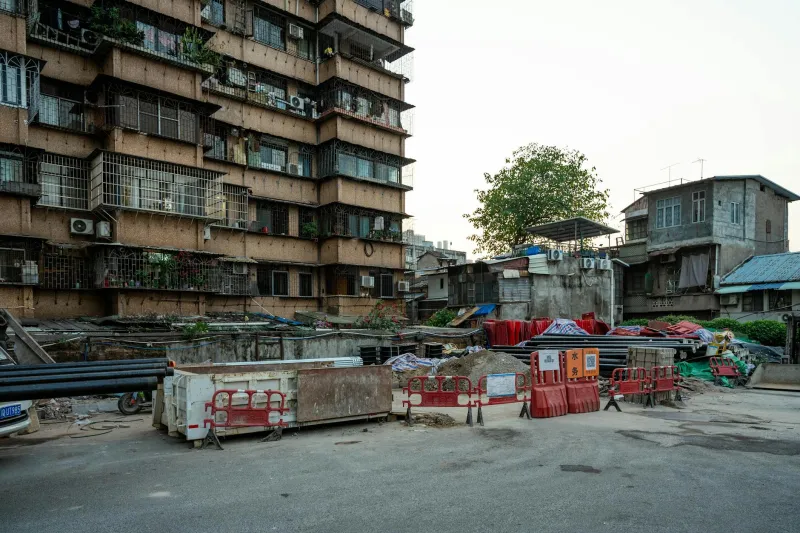
The Comeback Story Everyone Believes
Walk through any city and locals will point to certain neighborhoods with a particular kind of pride. "This area always comes back," they'll say, gesturing toward tree-lined streets or renovated storefronts. "It might go through rough patches, but it never stays down long. There's just something special about this community."
It's a compelling narrative that feels deeply American — the idea that neighborhood character and community spirit can overcome economic headwinds through sheer force of will. These comeback stories get repeated so often they become part of a neighborhood's identity, passed down like folklore from longtime residents to newcomers.
But scratch beneath the surface of these resilient neighborhoods, and you'll find the real story has very little to do with community character and everything to do with structural advantages that most residents never notice.
The Invisible Infrastructure of Recovery
Neighborhoods that consistently "bounce back" almost always share certain characteristics that have nothing to do with the spirit of their residents. They're typically within walking distance of major employment centers, anchored by institutions that aren't going anywhere, or benefiting from infrastructure investments that create long-term value.
Take Brooklyn's DUMBO neighborhood, which locals love to cite as proof of Brooklyn's resilience. The area's transformation from industrial wasteland to luxury enclave had less to do with community activism and more to do with its proximity to Manhattan, stunning waterfront views, and massive public investment in parks and transportation infrastructure. The Brooklyn Bridge Park alone represents hundreds of millions in public investment that guaranteed the area's recovery.
Similarly, neighborhoods near major universities, hospitals, or government complexes tend to weather economic storms better than areas dependent on private employers. These anchor institutions provide stable employment and attract complementary businesses that create a self-reinforcing cycle of investment and development.
The Zoning Lottery
Some of the most dramatic neighborhood comebacks are actually the result of zoning changes that residents had little to do with. Areas zoned for mixed-use development or higher density housing often experience revival that gets attributed to community character but really reflects policy decisions made in city hall.
The transformation of many former industrial neighborhoods into trendy residential areas wasn't driven by resident activism — it was enabled by zoning changes that allowed developers to convert warehouses into lofts and build new residential projects. Residents who moved to these areas after the zoning changes like to think they're part of a grassroots revival, but they're actually benefiting from policy decisions that preceded their arrival.
Meanwhile, neighborhoods locked into restrictive zoning often struggle to adapt to economic changes, regardless of how engaged or optimistic their residents might be. Community spirit can't overcome regulatory barriers that prevent the kind of development and investment that drives recovery.
The Transportation Effect
Nothing predicts neighborhood resilience quite like transportation access. Areas served by multiple transit lines, major highways, or airports consistently outperform neighborhoods that depend on a single transportation mode. This advantage becomes especially pronounced during economic downturns when businesses and residents prioritize accessibility.
The extension of subway lines or light rail often triggers neighborhood transformations that get misattributed to community organizing or cultural shifts. In reality, improved transportation access makes areas more attractive to employers and residents, creating demand that drives investment and development.
Conversely, neighborhoods that lose transportation access — when bus lines get cut or highway routes change — often struggle regardless of community efforts to maintain vitality. The most dedicated residents can't overcome the fundamental disadvantage of poor connectivity to jobs and services.
The Anchor Institution Advantage
Neighborhoods anchored by major hospitals, universities, or corporate headquarters have built-in resilience that has nothing to do with resident characteristics. These institutions provide stable employment, attract related businesses, and often invest directly in surrounding communities to maintain an attractive environment for employees and visitors.
When Johns Hopkins Hospital invests in Baltimore's East Side or Harvard expands its campus in Cambridge, the resulting neighborhood improvements get credited to community strength and local leadership. But the real driver is institutional self-interest — these organizations need safe, attractive neighborhoods to recruit and retain talent.
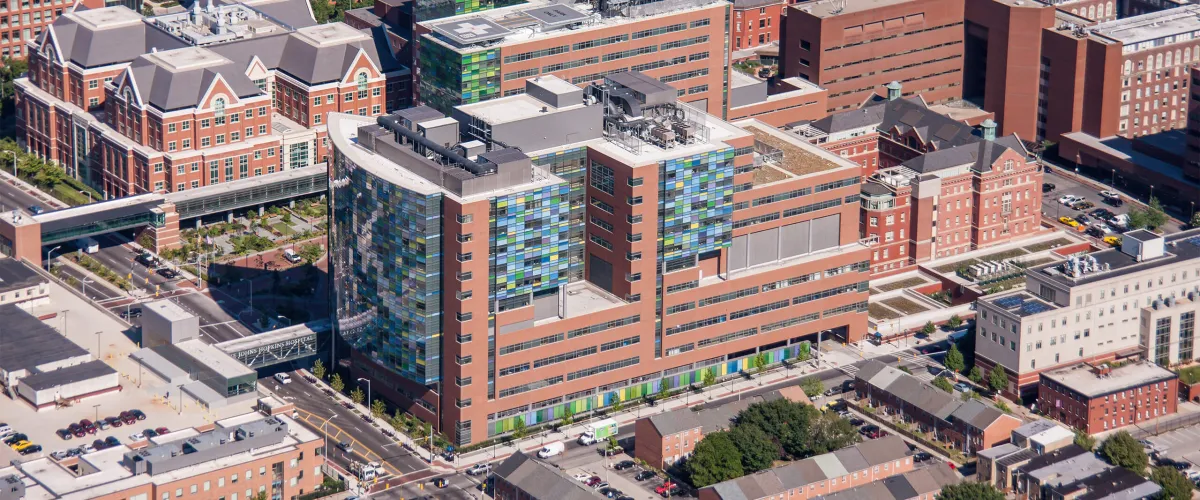 Photo: Johns Hopkins Hospital, via www.kci.com
Meanwhile, neighborhoods without anchor institutions often struggle to maintain investment and services during economic downturns. No amount of community organizing can replace the economic stability that comes from having a major employer that's literally invested in the area's success.
The Capital Investment Reality
Perhaps the biggest factor in neighborhood resilience is access to capital — both public investment in infrastructure and private investment in development. Areas that consistently "come back" are often the beneficiaries of infrastructure spending that creates long-term value: new parks, improved transit, upgraded utilities, or traffic improvements.
This investment rarely happens because communities organize and demand it. More often, it reflects political calculations about where public spending will have the most impact or generate the most political support. Neighborhoods with politically connected residents or strategic importance to city development plans get investment that ensures their long-term success.
Private capital follows similar patterns, flowing toward areas with the best combination of location, zoning flexibility, and infrastructure support. Community character might influence which businesses locate in a neighborhood, but it doesn't determine whether the neighborhood gets the kind of large-scale investment that drives lasting recovery.
Why the Myth Matters
The "resilient neighborhood" narrative persists because it's emotionally satisfying and politically useful. Residents want to believe their community's success reflects their own efforts and character. Politicians prefer to credit local leadership rather than acknowledge the role of public investment and policy decisions.
But understanding the real drivers of neighborhood recovery matters for anyone trying to evaluate long-term prospects. A community with great spirit but poor transportation access and restrictive zoning faces structural challenges that optimism alone can't overcome. Meanwhile, a neighborhood with anchor institutions, good infrastructure, and flexible zoning policies will likely thrive regardless of community engagement levels.
The Real Story Behind Resilience
Neighborhoods that "always come back" aren't special because of their residents — they're special because of their structural advantages. Location, infrastructure, zoning, and institutional anchors create resilience that gets misattributed to community character.
This doesn't diminish the value of community engagement or local leadership. But it does suggest that sustainable neighborhood success depends more on policy decisions and infrastructure investment than on the spirit of individual residents. The most resilient neighborhoods aren't those with the most dedicated communities — they're those with the best combination of location, access, and institutional support.